Capizzi MD

No products in the cart.
×

INJECTABLES

Injectables

Walk in. Smooth out. No appointment needed.

Facial aging affects everyone differently. Some patients notice fine lines, uneven skin tone, or mild volume loss. Others are concerned about deeper folds, jowls, loose neck skin, or changes around the eyes. Because these concerns develop at different levels of the face, the best facial rejuvenation treatment is not the same for every patient.

At Capizzi MD Cosmetic Surgery & Med Spa, we evaluate skin quality, facial structure, tissue laxity, recovery preferences, and long-term goals before recommending a treatment plan. Understanding the differences between non-surgical and surgical facial rejuvenation can help patients begin that conversation with realistic expectations.

What Is Non-Surgical Facial Rejuvenation?

Non-surgical facial rejuvenation includes minimally invasive and non-invasive treatments designed to refresh the face without traditional surgery. Depending on the concern, a personalized plan may include neuromodulators, dermal fillers, laser skin resurfacing, BBL or IPL photofacials, microneedling, chemical peels, HydraFacial treatments, dermaplaning, or medical-grade skincare.

These treatments may improve fine lines, expression wrinkles, mild facial volume loss, uneven pigmentation, sun damage, rough skin texture, enlarged pores, acne scars, and early skin laxity. Injectables may also enhance the lips, cheeks, chin, or jawline.

Non-surgical treatments are often appropriate for patients who want gradual, natural-looking enhancement with limited downtime. Appointments are generally shorter than surgery, and many patients can resume normal activities relatively quickly. However, swelling, redness, peeling, bruising, or temporary sensitivity may occur depending on the procedure.

Results are usually temporary or progressive. Injectables may require maintenance, while laser treatments, microneedling, and chemical peels may be recommended as a series. Consistent skincare and sun protection can help preserve improvements.

What Is Surgical Facial Rejuvenation?

Surgical facial rejuvenation is designed to correct more advanced structural signs of aging. Procedures may reposition deeper facial tissues, remove excess skin, improve contours, or address localized fat. Options can include a facelift, neck lift, brow lift, eyelid lift, or submental liposuction.

Surgery may be better suited for moderate to significant jowling, loose jawline or neck skin, deep folds caused by tissue descent, persistent under-eye bags, drooping eyelids, a lowered brow, or excess fat beneath the chin. It may also be appropriate when injectables or skin treatments cannot create the desired level of correction.

Surgical procedures involve anesthesia, incisions, and a planned recovery period. Bruising, swelling, activity restrictions, and follow-up care should be expected. Although recovery requires more preparation, surgery can create more comprehensive and longer-lasting improvement when the skin and deeper tissues have significantly loosened.

Key Differences Between the Two Approaches

The main difference is the level of correction. Non-surgical facial rejuvenation is effective for surface concerns, expression lines, mild volume changes, and early signs of aging. Surgical facial rejuvenation can address excess skin and reposition deeper tissues in ways that injectables and energy-based treatments cannot.

Downtime is another consideration. Patients with busy schedules may prefer treatments that cause minimal interruption. Patients seeking a more substantial change may decide that a longer recovery is worthwhile.

Longevity also differs. Most non-surgical treatments require periodic maintenance because injectable products are gradually metabolized and the face continues to age. Surgical results are longer lasting, but surgery does not stop the natural aging process.

Can Surgical and Non-Surgical Treatments Be Combined?

Yes. These approaches treat different layers of facial aging and may complement one another. A facelift or neck lift can improve lax tissues and contours, while laser resurfacing or medical-grade skincare can improve tone and texture. Injectables may also refine selected areas when appropriate.

Combination treatment does not always mean completing everything at once. A staged plan may help patients prioritize concerns, manage recovery, and maintain results over time.

How Do Patients Choose the Right Option?

Age alone does not determine whether someone needs surgery. The decision depends on anatomy, skin quality, facial volume, tissue laxity, health history, lifestyle, budget, available downtime, and the type of result desired.

Non-surgical treatment may be the right starting point for early aging concerns or patients who prefer subtle, temporary changes. Surgery may offer greater value when loose skin and tissue descent are the main concerns. In some cases, the most balanced plan combines both.

A professional facial assessment is essential. Filler cannot replace the lifting and repositioning achieved through surgery. Likewise, surgery may not fully correct pigmentation, fine surface lines, or damaged skin texture without complementary treatments.

Begin With a Personalized Facial Rejuvenation Consultation

Choosing between non-surgical and surgical facial rejuvenation should begin with a clear understanding of what each option can realistically achieve. At Capizzi MD Cosmetic Surgery & Med Spa in Charlotte, our team creates individualized plans focused on natural, refined results and thoughtful patient care.

Request a consultation today to discuss your goals, compare appropriate facial rejuvenation options, and take the next step with a treatment plan designed around you.

Non-Surgical vs Surgical Facial Rejuvenation: Which Option Is Right for Patients?

Facial aging affects everyone differently. Some patients notice fine lines, uneven skin tone, or mild volume loss. Others are concerned about deeper folds, jowls, loose neck skin, or changes around the eyes. Because these concerns develop at different levels of the face, the best facial rejuvenation treatment is not the same for every patient. At …

Facial aging affects everyone differently. Some patients notice fine lines, uneven skin tone, or mild volume loss. Others are concerned about deeper folds, jowls, loose neck skin, or changes around the eyes. Because these concerns develop at different levels of the face, the best facial rejuvenation treatment is not the same for every patient.

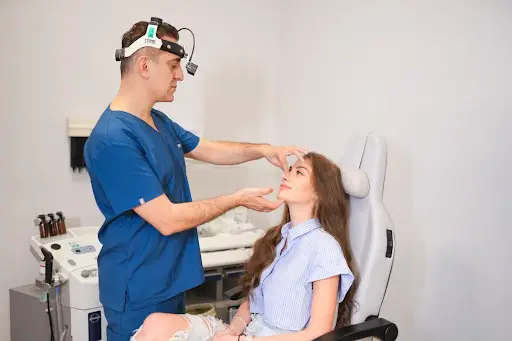
At Capizzi MD Cosmetic Surgery & Med Spa, we evaluate skin quality, facial structure, tissue laxity, recovery preferences, and long-term goals before recommending a treatment plan. Understanding the differences between non-surgical and surgical facial rejuvenation can help patients begin that conversation with realistic expectations.

What Is Non-Surgical Facial Rejuvenation?

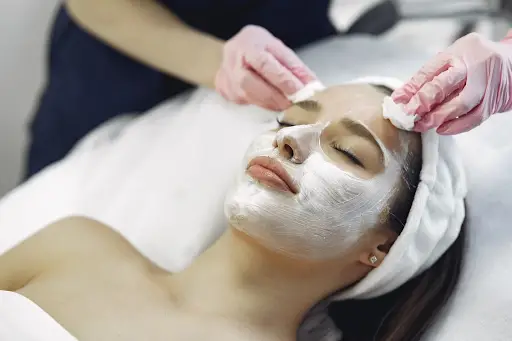
Non-surgical facial rejuvenation includes minimally invasive and non-invasive treatments designed to refresh the face without traditional surgery. Depending on the concern, a personalized plan may include neuromodulators, dermal fillers, laser skin resurfacing, BBL or IPL photofacials, microneedling, chemical peels, HydraFacial treatments, dermaplaning, or medical-grade skincare.

These treatments may improve fine lines, expression wrinkles, mild facial volume loss, uneven pigmentation, sun damage, rough skin texture, enlarged pores, acne scars, and early skin laxity. Injectables may also enhance the lips, cheeks, chin, or jawline.

Non-surgical treatments are often appropriate for patients who want gradual, natural-looking enhancement with limited downtime. Appointments are generally shorter than surgery, and many patients can resume normal activities relatively quickly. However, swelling, redness, peeling, bruising, or temporary sensitivity may occur depending on the procedure.

Results are usually temporary or progressive. Injectables may require maintenance, while laser treatments, microneedling, and chemical peels may be recommended as a series. Consistent skincare and sun protection can help preserve improvements.

What Is Surgical Facial Rejuvenation?

Surgical facial rejuvenation is designed to correct more advanced structural signs of aging. Procedures may reposition deeper facial tissues, remove excess skin, improve contours, or address localized fat. Options can include a facelift, neck lift, brow lift, eyelid lift, or submental liposuction.

Surgery may be better suited for moderate to significant jowling, loose jawline or neck skin, deep folds caused by tissue descent, persistent under-eye bags, drooping eyelids, a lowered brow, or excess fat beneath the chin. It may also be appropriate when injectables or skin treatments cannot create the desired level of correction.

Surgical procedures involve anesthesia, incisions, and a planned recovery period. Bruising, swelling, activity restrictions, and follow-up care should be expected. Although recovery requires more preparation, surgery can create more comprehensive and longer-lasting improvement when the skin and deeper tissues have significantly loosened.

Key Differences Between the Two Approaches

The main difference is the level of correction. Non-surgical facial rejuvenation is effective for surface concerns, expression lines, mild volume changes, and early signs of aging. Surgical facial rejuvenation can address excess skin and reposition deeper tissues in ways that injectables and energy-based treatments cannot.

Downtime is another consideration. Patients with busy schedules may prefer treatments that cause minimal interruption. Patients seeking a more substantial change may decide that a longer recovery is worthwhile.

Longevity also differs. Most non-surgical treatments require periodic maintenance because injectable products are gradually metabolized and the face continues to age. Surgical results are longer lasting, but surgery does not stop the natural aging process.

Can Surgical and Non-Surgical Treatments Be Combined?

Yes. These approaches treat different layers of facial aging and may complement one another. A facelift or neck lift can improve lax tissues and contours, while laser resurfacing or medical-grade skincare can improve tone and texture. Injectables may also refine selected areas when appropriate.

Combination treatment does not always mean completing everything at once. A staged plan may help patients prioritize concerns, manage recovery, and maintain results over time.

How Do Patients Choose the Right Option?

Age alone does not determine whether someone needs surgery. The decision depends on anatomy, skin quality, facial volume, tissue laxity, health history, lifestyle, budget, available downtime, and the type of result desired.

Non-surgical treatment may be the right starting point for early aging concerns or patients who prefer subtle, temporary changes. Surgery may offer greater value when loose skin and tissue descent are the main concerns. In some cases, the most balanced plan combines both.

A professional facial assessment is essential. Filler cannot replace the lifting and repositioning achieved through surgery. Likewise, surgery may not fully correct pigmentation, fine surface lines, or damaged skin texture without complementary treatments.

Begin With a Personalized Facial Rejuvenation Consultation

Choosing between non-surgical and surgical facial rejuvenation should begin with a clear understanding of what each option can realistically achieve. At Capizzi MD Cosmetic Surgery & Med Spa in Charlotte, our team creates individualized plans focused on natural, refined results and thoughtful patient care.

Request a consultation today to discuss your goals, compare appropriate facial rejuvenation options, and take the next step with a treatment plan designed around you.

Book a Consultation

It’s easy and free!

capizzimd_seoadmin

capizzimd_seoadmin