Learn the differences between silicone and saline breast implant types, including safety, feel, and long term considerations. Call Capizzi, MD Cosmetic Surgery & Med Spa at 704-655-8988.

Breast augmentation remains one of the most requested cosmetic procedures in the United States. Yet many patients begin their research with one central question: what are the differences between breast implant types? The choice between silicone and saline implants affects appearance, feel of the breast, incision size, long term maintenance, and even peace of mind.
At Capizzi, MD Cosmetic Surgery & Med Spa, patients often arrive with a clear aesthetic goal but uncertainty about which implant option will best support that goal. Understanding the structure, feel, safety profile, and practical considerations of each implant type helps you make a thoughtful and informed decision.
Understanding Your Options
When discussing breast implant types, the comparison almost always centers on silicone implants and saline implants. Both are approved for cosmetic breast augmentation and breast reconstruction. Both use a silicone outer shell. The difference lies in what fills that shell.
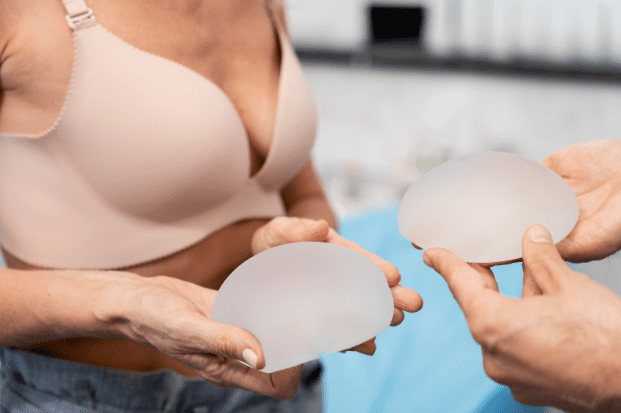
Saline implants are filled with sterile salt water after they are inserted into the breast pocket. Silicone “gummy bear” implants are pre filled with a cohesive silicone gel before placement. Though this distinction sounds simple, it influences many aspects of the procedure and final outcome.
Choosing between saline vs silicone implants is not about selecting the newest or most popular option. It is about understanding which material aligns with your body type, tissue quality, and personal expectations.
Silicone Implants Explained
Silicone “gummy bear” breast implants contain a cohesive gel designed to mimic the feel of natural breast tissue. Over time, manufacturers have refined this gel to improve durability and shape retention. Some patients describe the texture as softer and more similar to natural tissue when compared with saline.
Because silicone implants come pre filled, the incision must be slightly longer than what is required for saline implants (2cm instead of 1.5cm). However, for many patients, the tradeoff is a more natural look and feel, especially in women with thinner breast tissue.
In terms of rupture, silicone “gummy bear” implants feature a much lower rupture rate than saline. If a rupture occurs, the gel tends to remain within the implant shell or surrounding scar tissue. This is often called a silent rupture because it may not be immediately noticeable. Periodic imaging via ultrasound is FDA recommended to monitor implant integrity.
Silicone implants are available in a wide range of profiles, sizes, and shapes. Round and anatomical options allow for customization based on chest width, desired projection, and overall body proportions. For patients seeking subtle fullness with smooth contours, silicone is frequently chosen.
Saline Implants Explained
Saline breast implants use a silicone shell that is filled with sterile saline solution after placement. Because they are inserted empty, the incision can be slightly smaller. This may be appealing for patients concerned about scar length.
One clear advantage of saline implants is rupture detection. If a saline implant leaks, the body absorbs the salt water safely and the breast deflates noticeably within a short period. This makes identification of rupture straightforward.
However, saline implants may feel firmer than silicone implants. In women with minimal natural breast tissue, saline implants can sometimes create visible rippling or a less natural contour. Proper implant placement, either under the muscle or in a dual plane position, can help reduce this effect.
Saline implants are generally not recommended due to increased risks of rupture and visible deformity when compared with their silicone “gummy bear” counterparts. They still offer predictable volume and shape, and continue to be widely used in cosmetic breast surgery.
Comparing Look and Feel
One of the most discussed aspects of breast implant types is how they feel. Silicone implants are generally described as softer and more similar to natural breast tissue. Saline implants may feel firmer and heavier, particularly in patients with thin skin or limited natural breast volume.
The final appearance also depends on factors beyond implant fill. Implant size, profile, placement, and your own anatomy play an important role. A well planned augmentation performed by an experienced plastic surgeon can produce attractive results with either type.
At Capizzi, MD Cosmetic Surgery & Med Spa, implant selection is based on careful measurement and conversation. The goal is not simply to increase size but to create balance and proportion that suits your frame.
Safety and Longevity
Both silicone and saline implants have undergone extensive testing and regulatory review. They are considered safe for breast augmentation when used appropriately. Complications such as capsular contracture, rupture, or implant displacement can occur with either type, though rates are generally low.
Implants are not lifetime devices. While many last well beyond ten years, future revision surgery may be necessary due to aging, weight changes, pregnancy, or personal preference. Regular follow up appointments allow monitoring of implant condition and breast health.
Some patients ask about breast implant illness or systemic symptoms. Research continues in this area. It is important to discuss any health concerns openly with your surgeon so that you can review current data and make an informed decision.
Incisions and Placement
Breast implant types also influence surgical planning. Saline implants, inserted empty, may allow for slightly smaller incisions. Silicone implants require a larger opening to accommodate the pre-filled device (1.5cm incision for saline implants, 2cm incision for silicone implants).
Common incision locations include inframammary fold, periareolar, and occasionally transaxillary approaches. Implant placement can be above the muscle, below the muscle, or in a dual plane technique. The best approach depends on breast anatomy, skin quality, implant type, and desired outcome.
These technical details matter. They affect not only healing and scar placement but also long term appearance. A thorough consultation ensures that implant type, size, and placement are aligned.
Personal Factors to Consider
When choosing between silicone vs saline implants, patients often weigh several personal considerations:
- Body type and natural breast tissue
- Desired firmness or softness
- Tolerance for imaging follow up
- Preference for smaller incision
- Comfort with rupture detection differences
There is no universal answer. A patient seeking a very natural feel with minimal rippling may prefer silicone. Another patient who values straightforward rupture detection may lean toward saline. Both paths can lead to satisfying results when carefully planned.
Your Consultation Matters
The decision about breast implant types should never feel rushed. A detailed consultation allows for examination, measurement, and discussion of goals. Photographs, implant sizers, and before and after galleries help clarify expectations.
Capizzi, MD Cosmetic Surgery & Med Spa approaches breast augmentation with attention to proportion, skin quality, and long term outcome. Each recommendation is tailored rather than standardized. Questions are encouraged, and clear explanations are provided so patients understand each step.
If you are considering breast augmentation and would like guidance on silicone and saline breast implants, call 704-655-8988 to schedule your consultation.
Final Thoughts
Understanding breast implant types is the foundation of a successful breast augmentation. Silicone and saline implants each offer distinct advantages. The right choice depends on anatomy, aesthetic goals, and comfort with long term considerations.
An informed patient is a confident patient. With careful planning and expert surgical care, both silicone and saline implants can provide beautiful, balanced results that complement your natural shape.
Take the next step toward feeling confident in your decision – Call 704-655-8988 today to book your private consultation at Capizzi, MD Cosmetic Surgery & Med Spa.
Book a Consultation
It’s easy and free!