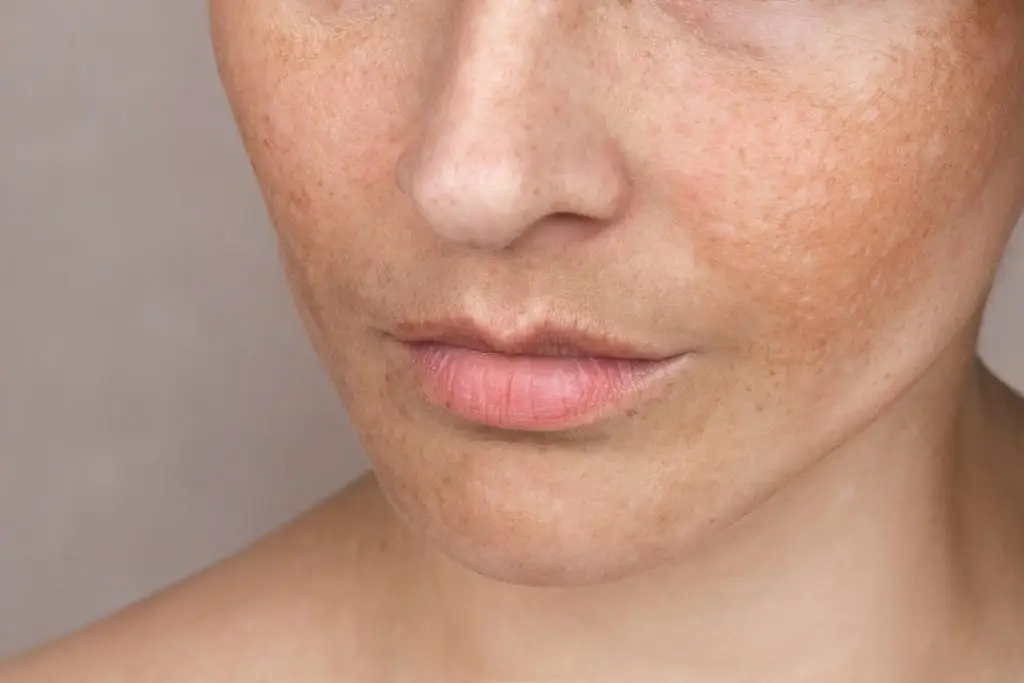
Ipl Photofacial

At Capizzi MD in Charlotte, NC, our IPL Photofacial treatments use powerful pulses of light to correct discoloration, reduce redness, and restore your skin’s natural clarity. Whether you’re dealing with sun damage, rosacea, freckles, or broken capillaries, this non-invasive treatment targets pigment irregularities at the source—leaving your skin visibly brighter and more even-toned after just a few sessions. With minimal downtime and long-lasting results, it’s a favorite for anyone ready to refresh their complexion.

Say Goodbye to Sun Spots, Freckles & Redness

At Capizzi MD, we use IPL Photofacials (also known as BroadBand Light treatments) to address patients’ skin concerns. This Intense Pulsed Light therapy is used to treat pigmentation abnormalities (sun spots, freckles, rosacea, and more), small blood vessels, and acne. This treatment is shown to help remedy:

  • Broken capillaries
  • Rosacea
  • Sun damage and sun spots
  • Hyperpigmentation
  • Freckles
  • Fine lines
Skin rejuvenation with IPL light therapy for clearer, brighter complexion

FAQ

What is an IPL Photofacial?

An IPL (Intense Pulsed Light) photofacial is a non-invasive skin treatment that uses light energy to target sun damage, pigmentation, redness, broken capillaries, and uneven skin tone. It helps restore a clearer, brighter, and more youthful complexion.

BBL vs. IPL Photofacials: What’s the Difference?

Both BBL® (BroadBand Light) and IPL (Intense Pulsed Light) photofacials use light energy to treat pigmentation, redness, sun damage, and uneven skin tone.

While IPL delivers a broad spectrum of light to target skin concerns, Sciton BBL® offers more precise, customizable wavelengths, allowing providers at Capizzi MD to tailor treatments to your unique skin type and goals. This means better results in fewer sessions, with improved comfort and safety.

In short: IPL is effective, but BBL® is more advanced — delivering clearer, brighter, and younger-looking skin with cutting-edge technology.

What skin concerns can an IPL Photofacial treat?

IPL is effective for reducing brown spots, freckles, rosacea, redness, broken capillaries, melasma, sun damage, and uneven skin tone. It can also improve overall skin clarity and radiance.

How many IPL Photofacial treatments do I need?

While many patients notice improvement after just one treatment, a series of 3–5 sessions spaced 3–4 weeks apart is typically recommended for optimal results. Maintenance treatments a few times per year can help keep skin clear and bright.

What can I expect during an IPL Photofacial?

The treatment involves quick pulses of light energy delivered to the skin. Most patients describe the sensation as a mild “rubber band snap.” Sessions usually take 20–30 minutes, depending on the treatment area.

Is there downtime after an IPL Photofacial?

Downtime is minimal. Patients may experience mild redness for a few hours, and pigmented spots may temporarily darken before naturally flaking off within 7–10 days. Most people return to normal activities immediately.

How long do IPL Photofacial results last?

Results can last several months or longer with proper sun protection and skincare. Many patients choose maintenance sessions to prolong their results and keep their complexion clear.

Is an IPL Photofacial safe for all skin types?

IPL works best on lighter to medium skin tones. Patients with darker skin may not be ideal candidates due to the risk of pigmentation changes. Patients with darker skin will benefit from either chemical peels or microneedling to achieve similar results. A consultation at Capizzi MD ensures the treatment is safe and customized for your skin type.